
When applying for grants, after-school programs are often required to submit a detailed budget explaining how funds will be used and why each expense is necessary to deliver high-quality programming. Understanding the most common funding buckets—also known as budget or cost categories—can streamline the grant-writing process and help prevent delays during review.
While requirements vary by funder, most after-school grants follow similar budgeting structures. These funding buckets help funders evaluate whether proposed expenses are reasonable, allowable, and aligned with program goals.
Below is a practical guide to the most common funding buckets after-school programs can use to write tools, systems, and services into grant applications.
Personnel and Staffing Costs
Personnel is typically the largest funding bucket in after-school program budgets. This category includes costs related to the people who plan, manage, and deliver the program, such as:
- Program directors and site coordinators
- Group leaders and instructional staff
- Enrichment specialists or contracted providers
- Payroll taxes and fringe benefits
Funders expect staffing costs to be clearly defined because staffing quality directly affects student safety, consistency, and program outcomes. When writing budgets, it helps to connect staffing roles to supervision, engagement, and program delivery.
Program Operations and Direct Services
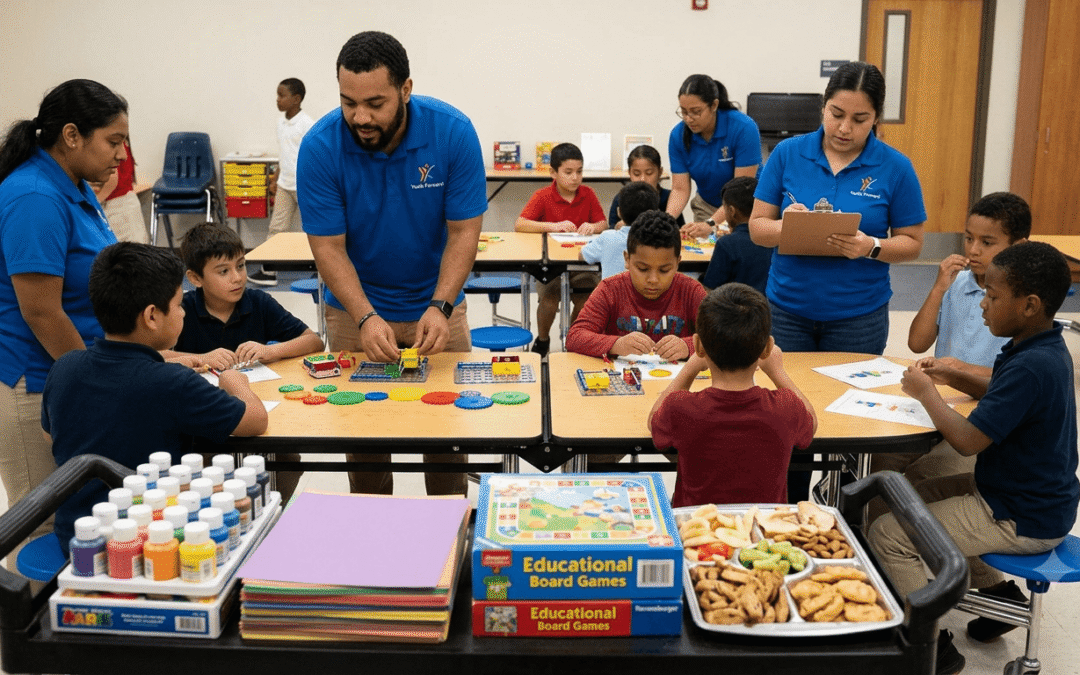
Program operations cover the day-to-day costs of delivering services to students. Examples include:
- Curriculum and instructional materials
- Enrichment supplies (STEM kits, art materials, sports equipment)
- Snacks or meals
- Transportation related to program activities
This category shows funders how grant dollars directly support students. It is often one of the most closely reviewed sections of the budget.
Technology and Software
Technology and software are increasingly common—and allowable—expenses in after-school grants, particularly when they support program operations, safety, compliance, or reporting.
This bucket may include:
- Attendance tracking systems
- Registration and enrollment platforms
- Program management software
- Impact tracking and reporting tools
- Tablets or laptops used for program operations
Funders are generally receptive to technology costs when programs clearly explain how the tools improve efficiency, data accuracy, or accountability.
Administrative and Overhead Costs
Administrative or overhead costs support the infrastructure needed to run programs responsibly. As an example, we have:
- Office rent and utilities
- Accounting and audit services
- Insurance
- Office supplies
- General administrative support
Many funders cap administrative costs at a certain percentage of the total budget. Careful review of guidelines is essential, but when permitted, these costs demonstrate organizational stability and fiscal responsibility.
Marketing, Outreach, and Recruitment
Outreach and recruitment expenses are commonly included in after-school grant budgets, particularly when programs must demonstrate equitable access. This category might include outreach flyers and printed materials, translation services, enrollment-related website updates, and community recruitment efforts.
These costs demonstrate to funders that programs are proactively engaging eligible families, rather than relying on spontaneous participation.

Professional Development and Training
Training investments help improve staff retention, ensure consistency, and enhance overall program quality. That’s why professional development is a permissible and frequently promoted expense in many after-school grants.
Examples include staff training on compliance or program quality, workshops and certifications, conference registration, coaching, or technical assistance.
Evaluation, Data Collection, and Reporting
Many funders want to see a clear plan for measuring outcomes and program effectiveness. This funding bucket may include:
- Data collection platforms
- Surveys and assessment tools
- External evaluators or consultants
- Time spent analyzing and reporting data
In addition, including evaluation costs signals your program’s commitment to accountability and Continuous Quality Improvement (CQI).
Supplies and Equipment
Supplies and equipment may be listed separately, especially for higher-cost or durable items. Some grants require pre-approval for equipment purchases, so it’s important to justify these costs clearly:
- Educational equipment
- Technology accessories
- Furniture used for program activities
- Long-term instructional supplies
Travel and Field Experiences
Travel-related costs may be eligible if they directly aid learning or program activities. This includes transportation for field trips, mileage or travel expenses for staff training, and admission fees for educational experiences. Such expenses enhance experiential learning and enrichment outside the classroom.

How Tools and Systems Fit Into Grant Budgets
After-school programs often struggle to determine where to allocate tools such as attendance systems, registration platforms, and reporting software within a grant budget. In most cases, these tools can be written into one or more of the following categories:
-
- Technology and Software
- Evaluation, Data Collection, and Reporting
- Program Operations
- Marketing, Outreach, and Recruitment
The key is not the category itself, but how clearly the expense is connected to program quality, efficiency, compliance, or reporting.
Grant-Ready Budget Justification Support for After-School Programs
Even when a cost is allowable, how it is described in a grant application matters. Many after-school leaders know they need better systems for attendance tracking, enrollment, and reporting—but struggle to write those tools into a grant budget using language funders expect.
If needed, AfterSchool HQ can provide grant-ready justification language to help programs clearly explain how the platform fits into common funding buckets.